
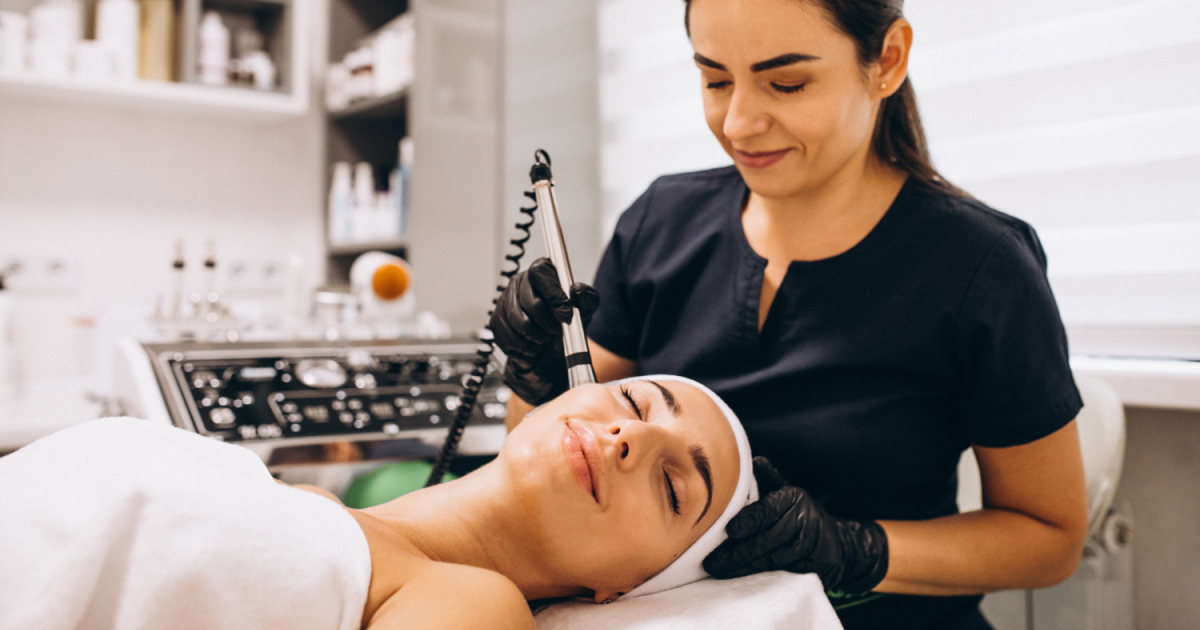
Picture observing skin that looks healthy, even, and smooth, as if glowing from the inside out. It's something that everyone wishes for. As days go by, everyday life leaves its gentle impression: sun exposure, stress, hormonal fluctuations, and late nights, and our skin quietly documents them in the shape of brown spots, patchy areas, or dullness. A skin-lightening treatment allows your skin to feel revitalized, rejuvenated, and genuinely taken care of.
Consider it like giving your skin a reset button, one that can erase pigmentation, revive radiance, and give you newfound confidence. In this blog, we will take you through various skin whitening treatments available, the advantages they offer, how to maintain your skin after the treatment, and what to keep in mind before embarking on it. Let us learn how a bit of extra pampering can bring out the natural radiance of your skin.
What is Skin Lightening Treatment?
Skin lightening treatment is a cosmetic treatment aimed at lessening excess pigmentation and achieving an even skin color. Pigmentation problems like dark spots, melasma, sunspots, and uneven coloring are usually the results of excess melanin production. This may be initiated by factors such as sun exposure, hormonal fluctuations, acne scars, and aging.
The objective of skin lightening is not to alter your complexion totally but to improve the clarity of it, eliminate discoloration, and regain a healthy, evenly toned complexion. With advancements in dermatology, current treatments are safer, more targeted, and can be tailored to various skin types.
Types of Skin Lightening Treatments
There are a number of different types of skin lightening treatments, each operating in a distinct manner to combat pigmentation. Some are clinic-only procedures done by dermatologists, whereas others are topical therapy or minimally invasive treatments.
-
Topical Creams and Serums
These creams and serums are prescribed by dermatologists that have active ingredients like hydroquinone, kojic acid, azelaic acid, arbutin, or retinoids. They help slow down melanin production and eventually fade dark spots over time.
-
Chemical Peels
Chemical peels use solutions of alpha-hydroxy acids (AHAs), beta-hydroxy acids (BHAs), or trichloroacetic acid (TCA) to peel the superficial layers of the skin and raise newer, better untextured skin from below.
-
Laser Treatments
Laser treatments like Q-switched or fractional lasers are used to treat deposits of melanin in the skin, shattering them and stimulating new cell turnover. They treat stubborn pigmentation such as melasma and post-inflammatory hyperpigmentation.
-
Microdermabrasion
This is a non-surgical procedure that applies a specific device to strip the skin, smooth it, and allow other whitening solutions to penetrate more deeply.
-
Glutathione Treatments
Glutathione is a very effective antioxidant taken regularly in the form of oral supplements, creams, or injections to block melanin production and whiten the skin.
Benefits of Skin Lightening Treatments
A carefully considered Skin lightening treatment can provide a number of cosmetic and psychological advantages:
-
Evens Out Skin Tone: Smooths patchiness, hyperpigmentation, and irregular coloring.
-
Increases Confidence: Glowing and healthier-looking skin can improve self-esteem.
-
Smoothes Out Texture: Procedures such as peels and lasers reduce rough areas and initiate skin renewal.
-
Reduces Aging Signs: Eliminates age spots, freckles, and sun spots, making the skin appear younger.
-
Tackles Post-Acne Marks: Lightens dark post-acne marks left behind after zits.
Skin Lightening Treatment at Dr Bharti Patel Clinic
At Dr. Bharti's Skin, Hair, and Body Contouring Clinic, we are not about altering who you are but about making you feel your best self. We merge the latest dermatological techniques with a customized approach, making every treatment as individual as you are.
If you are battling annoying dark spots, uneven skin tone, or sunspots, our customized skin lightening programs are responsible for significant and safe results. With state-of-the-art equipment, science-driven techniques, and caring treatment, we assure that your skin gets the treatment it deserves, leaving you looking dazzling with a healthy-looking radiance naturally.
Conclusion
A well-researched Skin lightening treatment can reverse irregular tone, pigmentation, and dullness without disturbing your skin's natural balance. It's merely a matter of taking safe, tried-and-tested precautions and good aftercare to be able to benefit long-term. If done properly, the treatments have the ability to leave your skin looking brighter, even-toned, and healthier. With proper guidance and commitment, the attainment of that luminous, healthy look is less of an illusion and more of a reality.
FAQ
1) How long does it take to see results from a skin-lightening treatment?
Results depend on the type of treatment, skin, and your body's ability to heal. Topical treatments may start showing the changes in 4–6 weeks, whereas professional treatments such as chemical peels or lasers can provide noticeable outcomes after 1–3 sessions. Nevertheless, complete results typically take more than one session and follow-up with regular aftercare.
2) Can natural remedies be used for skin lightening?
Natural substances such as aloe vera, turmeric, and licorice root extract can possibly treat mild pigmentation, but their action is slower and less dramatic than that of professional treatments. For chronic or deeper pigmentation, a dermatologist-prescribed skin-lightening treatment is more reliable.
3) Is skin lightening treatment permanent?
No, the majority of skin lightening results are long-term but not permanent. Pigmentation may come back because of sun exposure, hormonal imbalance, or skin traumas. Regular aftercare and maintenance visits are a must to extend results.