
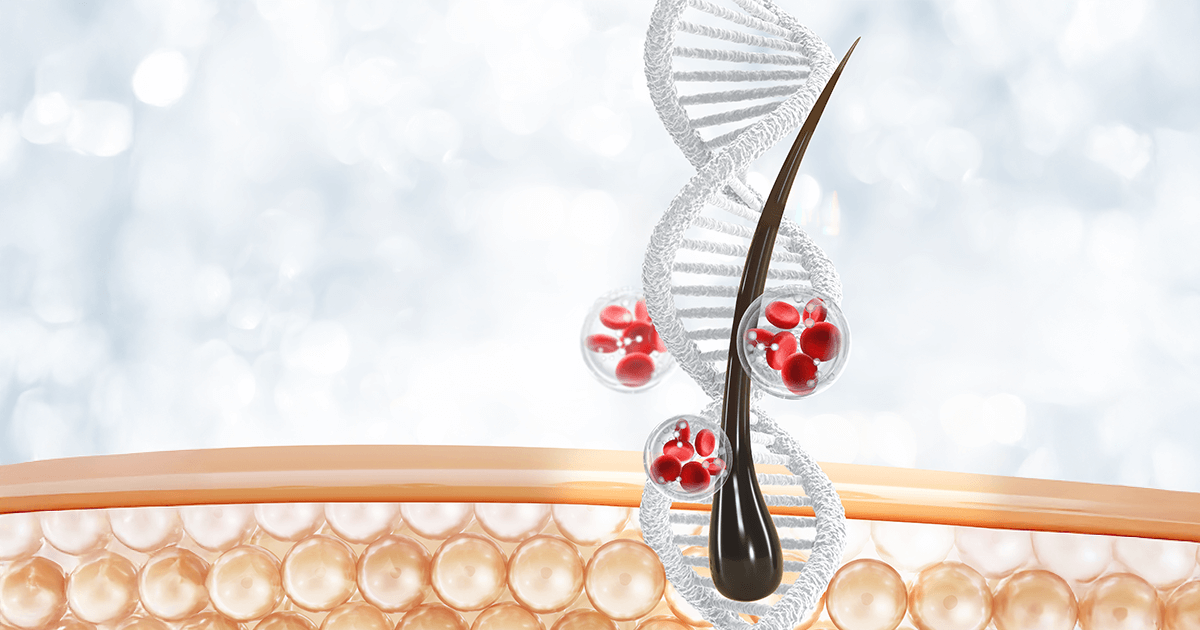
Hair fall is one of the common concerns for people of almost every age group in modern times. Stressful routines, changing seasons, hormonal imbalances, poor diets, heat styling, and even pollution silently weaken the roots over time. What begins as a few strands on the pillow gradually becomes noticeable thinning, breakages, and reduced volume. The good news is that hair fall can be managed and even reversed once you understand its causes and choose the right combination of natural remedies, lifestyle changes, and professional hair fall treatment options.
This blog compiles practical and simple solutions anyone can begin today, with expert-backed treatments in the quest for deep and long-lasting results.
Why Does Hair Fall Happen? Understanding the Root Causes
Before jumping into solutions, it helps to understand why hair fall occurs in the first place. The growth of hair is in cycles, either growing, resting, or shedding. When this cycle gets disturbed, shedding increases.
Common reasons include:
- Nutritional deficiencies: Iron, protein, zinc, and vitamin B12 deficiencies can weaken hair follicles.
- Stress and lifestyle: constant stress pushes hair into the “shedding phase.”
- Hormonal changes: Thyroid imbalance, PCOS, pregnancy, and menopause may cause changes in hair growth.
- Genetics: Some people are predisposed genetically to be much thinner.
- Chemical exposure: Hair color, straightening, and harsh shampoos can damage the cuticles.
- Health issues: Dandruff, scalp infections, and certain medications can trigger hair fall.
Once you identify what is causing the fall of your hair, the path towards recovery becomes much clearer.
Simple and Natural Tips to Control Hair Fall
Improvement comes with making small changes in the daily routine for many people. Natural remedies work wonders if followed religiously, particularly for early-stage hair fall.
1. Fortify Your Diet From Within
Healthy hair starts with a healthy body. Pay extra attention to foods high in:
- Protein: Eggs, lentils, lean meat, paneer.
- Iron: spinach, beetroot, peas, red rice.
- Omega-3 fatty acids: walnuts, chia seeds, flax seeds, oily fish.
- Biotin & B vitamins: whole grains, bananas, almonds.
- Vitamin C: oranges, tomatoes, and berries improve iron absorption.
A nutrient-rich diet decreases hair fall and also aids in the growth of new hair.
2. Oil Massage for Improved Blood Flow
Oiling may sound old-fashioned, but its benefits are well-documented. Massaging the scalp increases the flow of blood, thereby providing the follicles with oxygen and nutrients. Coconut oil, almond oil, olive oil, and onion oil work wonders. Lightly warm the oil to ensure better penetration; massage gently, using your fingertips in circular motions.
3. Use Mild and Sulphate-Free Shampoo
Harsh hair cleansers strip the scalp of its natural oils, leading to dryness and breakage. Therefore, use mild shampoos that are meant for sensitive or thinning hair.
4. Avoid over-washing
Too frequent hair washing strips the hair of its natural and essential moisture. Washing 2 to 3 times a week is sufficient for all sorts of scalp types.
5. Be Gentle with Wet Hair
Wet hair is weak and tends to break. Avoid brushing immediately after washing, and always use a wide-toothed comb to avoid breakage.
6. Avoid Heat Styling
Excessive heat weakens hair proteins. If you are someone who does hair styling often, do not forget to use a heat protectant, keeping it on a moderate temperature.
7. Check Your Water Quality
Hard water contains minerals that dry the scalp and cause breakage. A water filter installation or a once-a-week clarifying rinse can help.
8. Incorporate Herbal Rinses
Simple home remedies used for rinsing hair, like green tea, amla, fenugreek, or rice water, promote strong strands of hair. These can be used once or twice a week.
9. Manage Stress
Stress directly affects the hair growth cycle. The practice of yoga, meditation, walking, or at least 10 minutes of performing slow breathing exercises daily will help decrease stress-related hair loss.
10. Keep a Clean Scalp
The buildup of sweat, dirt, and leftover products in the hair follicles can impede its growth. Gentle scalp scrubs and regular cleaning and exfoliating will keep the roots healthier.
Natural Remedies That Help Reduce Hair Fall
If you prefer simpler home-based solutions, then these natural remedies will help when used consistently:
Aloe Vera Gel
Aloe vera soothes the scalp, reduces dandruff, and strengthens roots. Just spread pure gel on the scalp, leave it on for 30 minutes, and then rinse.
Onion Juice
Onion juice is rich in sulphur, which helps in improving scalp circulation. Apply for 20–30 minutes once or twice a week. It may smell pungent, but a lot of people claim its effectiveness.
Fenugreek (Methi) Paste
The seeds of fenugreek help in thinning hair and dandruff conditions. Soak these seeds overnight, grind them into a paste, and use it as a mask.
Amla Oil or Mask
Amla is full of Vitamin C and antioxidants. It enhances collagen, which plays an important part in hair growth.
Curry Leaves Oil
These leaves reduce premature greying and nourish hair follicles.
Natural remedies give slow but steady improvement. They work best in the early stages of hair fall or as a routine to prevent future thinning.
When Natural Remedies Aren’t Enough
While lifestyle changes and home treatments help many people, some cases require professional care. If hair fall persists for over 6–8 weeks or visible thinning of hair, appearance of widening parting lines, onset of circular bald patches, or excessive shedding is observed, then it is time to consider the clinical hair fall treatment options.
Modern dermatology offers an array of safe, non-surgical treatments that address the root causes of hair loss.
Clinical Hair Fall Treatment Options
1. Platelet-Rich Plasma PRP Therapy
PRP involves the drawing of a small amount of your blood, which is then processed and concentrated for growth and gets injected into your scalp. These growth factors strengthen the follicles and promote new growth. PRP works best when people experience hair thinning and moderate hair loss.
2. Mesotherapy
Mesotherapy is micro-injections that contain vitamins, minerals, amino acids, and extracts of plants right into the scalp. It improves the flow of blood and nourishes the roots. This is a suitable treatment for seasonal or stress-related hair fall.
3. Low-Level Laser Therapy (LLLT)
Low-level light from laser caps or in-clinic laser devices encourages the follicles, thus resulting in better hair density. It is painless and works well when combined with PRP or medication.
4. Hair Growth Serums and Prescription Topicals
Dermatologists may prescribe:
- Minoxidil
- Peptide-based serums
- Anti-androgenic topicals for hormonal hair loss
These products promote thickness and strength in your hair over time.
5. Dandruff and Scalp Infection Treatments
In cases of hair loss caused by dandruff or fungal infections, specific medicated shampoos and scalp therapies become necessary. Hair fall then stops with the treatment of the scalp condition.
6. Nutritional Supplements
After blood tests, many physicians often prescribe supplements containing iron, biotin, zinc, vitamin D3, folic acid, and collagen peptides to help fill in the nutritional gaps in your diet that might be making your hair weak.
7. Hair Transplant (For Advanced Cases)
For severe thinning or genetic baldness, although not a first-line remedy, a transplant may be necessary. This is usually recommended only in cases where other treatments no longer work.
Daily Habits to Maintain Healthy Hair
Consider hair care an investment; it's a long-term commitment. Here are habits that go along with both natural and clinical treatments:
- Sleep for at least 7–8 hours to maintain hormonal balance.
- Avoid very tight hairstyles.
- Switch to satin pillowcases to reduce friction
- Avoid smoking, which reduces blood flow to follicles.
- Drink plenty of water
Healthy habits tend to be more powerful than expensive products.
When Should You See a Dermatologist?
You should visit a dermatologist if:
- Hair fall continues for more than 2 months
- You notice sudden heavy shedding
- There are bald patches or receding hairlines.
- Itchy, flaky, or painful scalp
- Hair texture becomes much thinner.
Early diagnosis prevents long-term damage and helps you recover faster.
Conclusion
Hair fall results in a loss of confidence and emotional well-being. Fortunately, it's treatable in most instances once you combine the right habits, natural care, and clinical hair fall treatment options. Start with improving your diet, reducing stress, and following a gentle hair care routine. If the problem persists, modern dermatology effectively offers nonsurgical treatments that give strength to the scalp and promote healthy new growth.
You can naturally restore the strength, thickness, and shine of your hair with the right approach.